Retaining Garden Borders
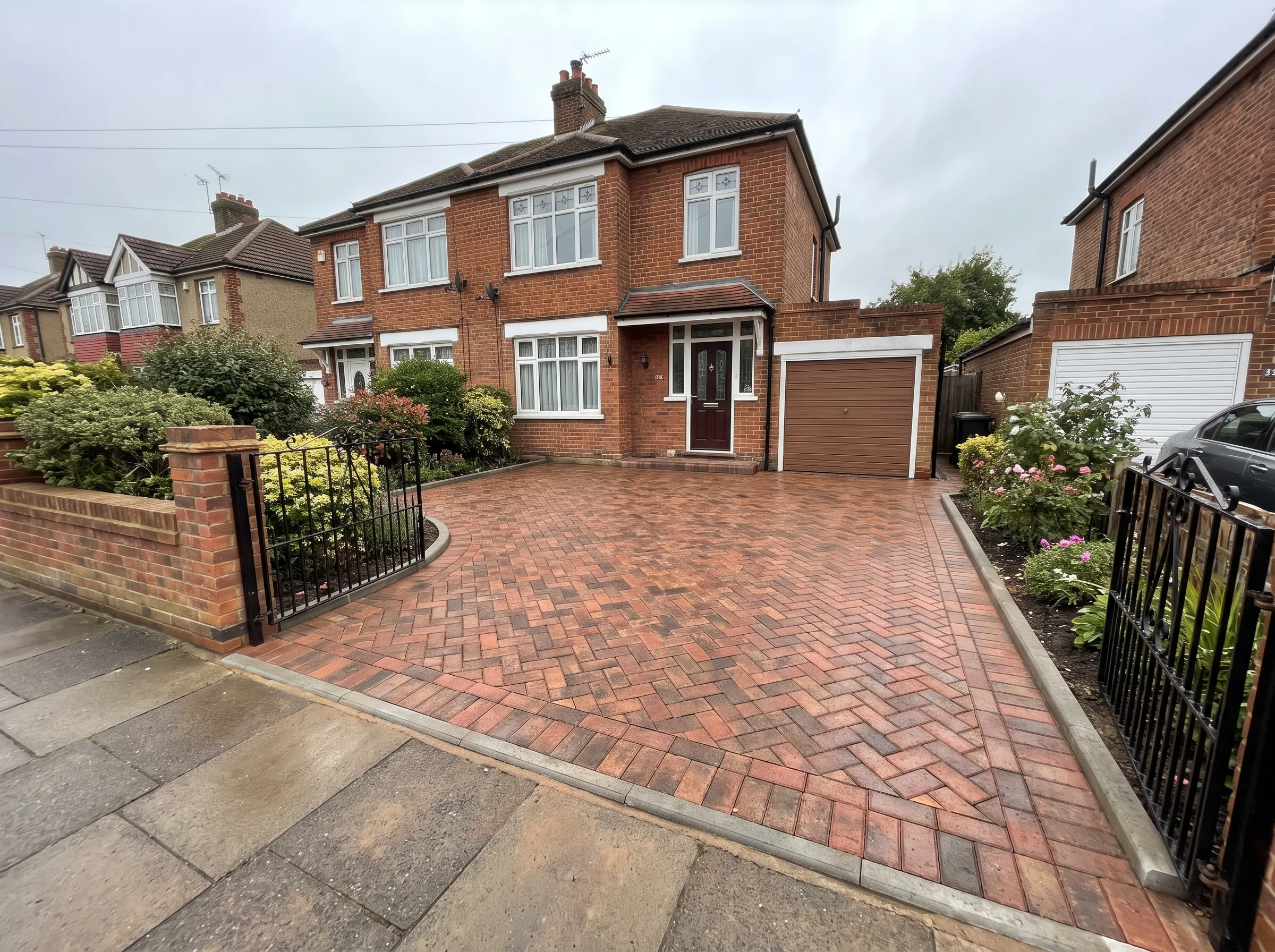
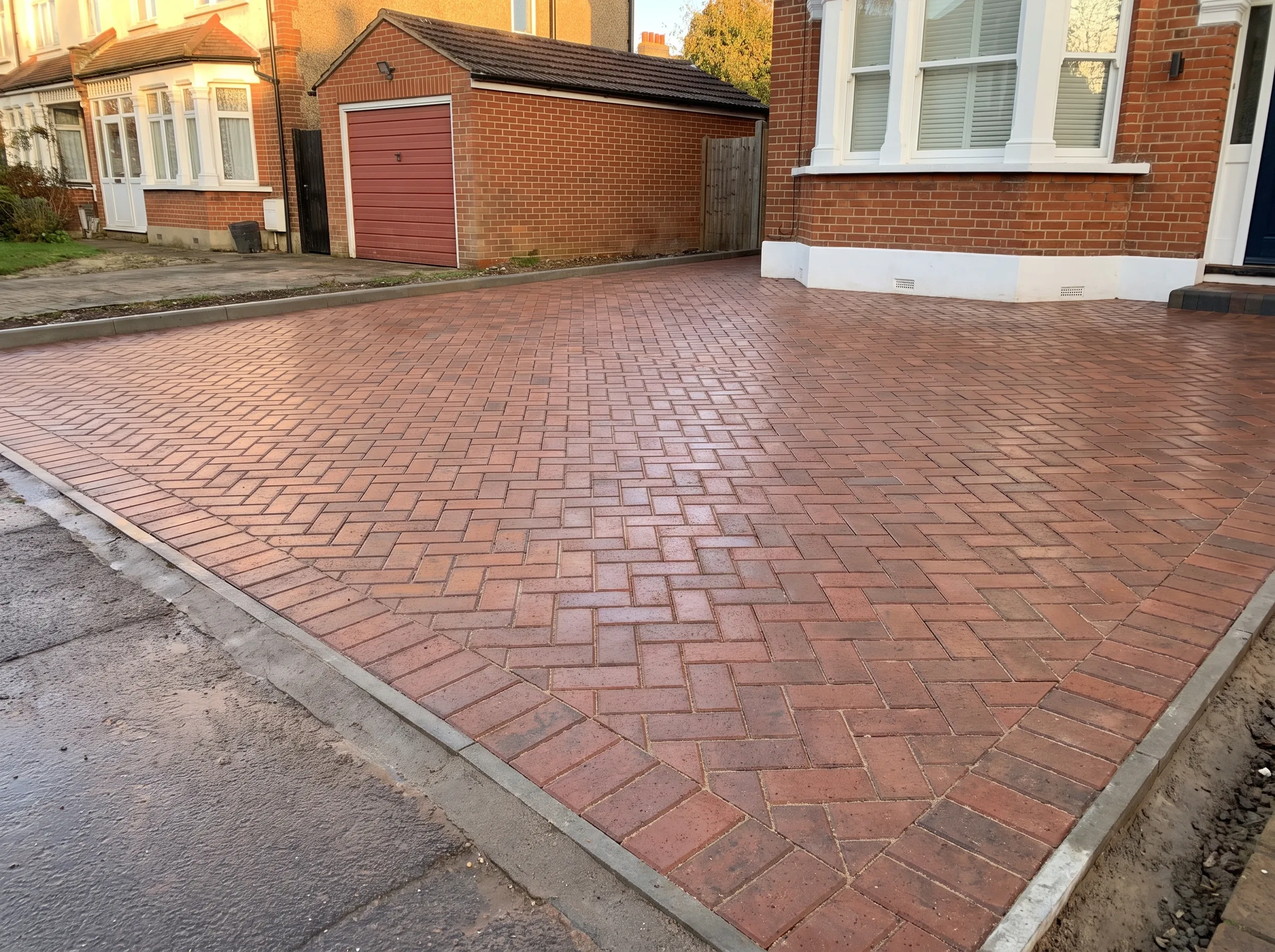
Blocks spread under tyre weight. Heavy vehicles pushing against loose turf will shove unanchored courses sideways, which is why proper edge restraints set in concrete haunching must sit lower than the lawn mower line to prevent turf damage during summer trimming. Edges take massive lateral pressure. Timber boards rot away, so we bed solid masonry curbs.
Tying Into Boundary Walls
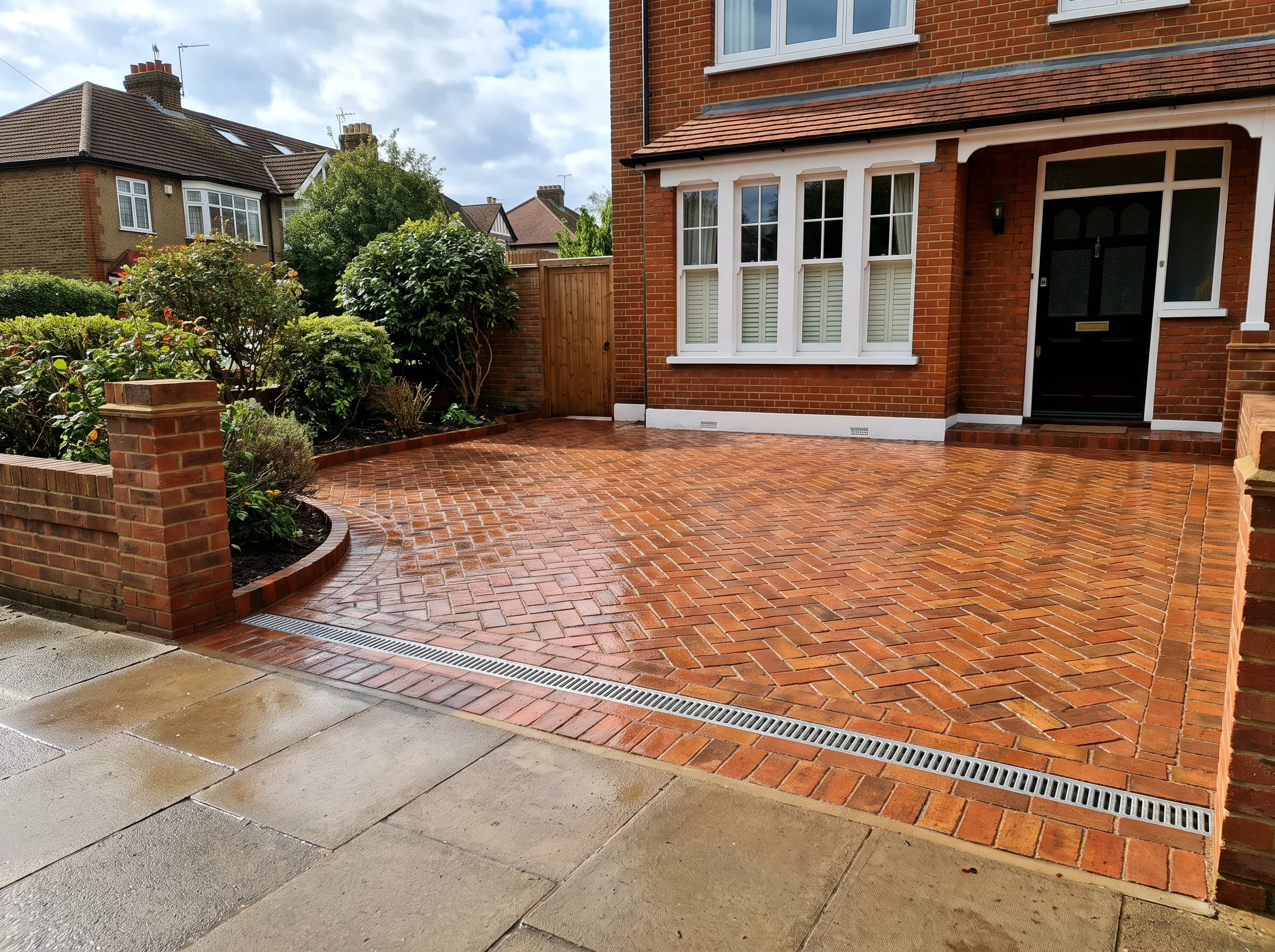
Never lay blocks directly against brickwork. When laying brick paving in Brent against existing Victorian garden boundaries, vibrations from compaction plates can easily dislodge crumbly lime mortar courses or send cracks shooting up historic party structures, needing flexible insulation strips along the perimeter interface. Damp needs breathing space. We keep paving joints below the damp proof course.
Handling Tree Roots
Roots cause slow heave. Mature privet hedges and front garden cherry trees push thick roots upward beneath driveway sub-bases over time, snapping mortar beds and creating sudden tripping edges unless bridge membranes spread the load. Chopping large roots harms trees. We build around structural roots using permeable geotextile cushions.